

Displaying items by tag: pharmaceutical
What Is a Cleanroom in Pharma? Understanding Their Role in Drug Manufacturing
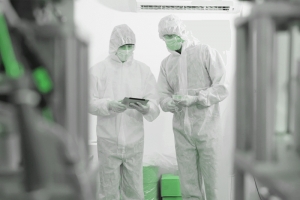
Summary: Pharmaceutical cleanrooms are specialized controlled environments that minimize contamination during drug manufacturing by maintaining precise control over airborne particles, temperature, humidity, and pressure. These environments use advanced filtration systems, structural components, and monitoring protocols to ensure product integrity and patient safety while meeting stringent regulatory requirements.
Pharmaceutical Cleanrooms
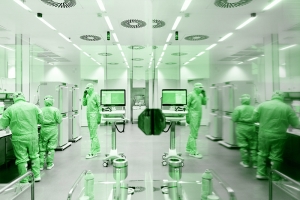
Pharmaceutical cleanrooms are regulated by FDA in the United States and EMA in Europe. Pharmaceutical cleanrooms must meet CGMP. Per the FDA, GMP refers to the Current Good Manufacturing Practice regulations enforced by the FDA. Adherence to the CGMP regulations assures the identity, strength, quality, and purity of drug products by requiring that manufacturers of medications adequately control manufacturing operations. To simplify this, GMP helps to ensure the consistent quality and safety of products by focusing attention on five key elements, which are often referred to as the 5 P's of GMP—people, premises, processes, products, and procedures.
Designing & Implementing Pharmaceutical Clean Rooms

Possible cross-contamination issues should be eliminated at the early stage of the project. The project sponsor should ensure that all relevant personnel from the production, quality control, logistics, and maintenance departments, as well as engineering, are involved in the conceptual stages of a design.
Clean room design – 15 things to consider when designing a pharmaceutical or medical design clean room

When designing or building a pharmaceutical clean room, every single component, piece of equipment, environmental control, surface, process and safety measure must be thoughtfully engineered — or you’ll risk failing to meet EU GMP or GMP requirements.
Pharmaceutical Cleanroom Design Basics: What Exactly Makes a Cleanroom Clean?

In order to protect consumers, United States pharmaceuticals are one of the most heavily regulated industries in the country. The FDA creates a number of standards and tests for Pharma companies to comply with in order to create new drugs and manufacture current ones to reduce side effects and ultimately mitigate the risks to their customers. And creating a highly controlled, uncontaminated manufacturing and packaging environments is a high priority. Pharmaceutical cleanrooms are specially designed to produce this environment.
Doors For Hospitals, Research Labs And Pharmaceutical Facilities

Pre-hung doors are an important choice for any construction or renovation project because they come already mounted on a frame, making installation easier and more efficient. These doors are a complete unit that is ready to be installed, saving time and effort during the building process. Pre-hung doors are also more secure and airtight than doors that are hung separately, which can improve energy efficiency and reduce drafts. These benefits make pre-hung doors a popular choice for hospitals, research labs, and pharmaceutical facilities.
Pharmaceutical Cleanroom Design & ISO 14644-16

Cleanrooms and controlled contamination environments are increasingly being used across many industrial sectors, including the pharmaceutical industry. An important issue is the operating cost associated with cleanroom energy consumption and, consequently, the identification of applicable energy containment measures. This article reviews pharmaceutical cleanroom calculations for non-unidirectional airflow against energy consumption with known sources of contamination and type of air diffusion used. It proposes alternative cases to compare potential economic savings from applying energy-saving measures proposed by ISO 14644-16.1
Selecting clean doors for pharmaceutical and food operations

High-performance doors and flexible industrial fabric walls have evolved in recent years and are a viable option for various food and pharmaceutical applications.
How To Choose The Right Clean Room Door For GMP Pharmaceuticals
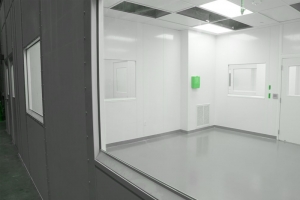
Finding the right cleanroom door for GMP pharmaceuticals can be a challenging task. Cleanroom doors are vital for protecting the integrity of pharmaceutical and food items and contribute to overall operational efficiency.
New bio/pharmaceutical cleanroom designs require new door solutions

From the time of Swiss watchmakers, who used bell jars to prevent dust from falling on their timepieces, to the development of high-efficiency particulate air (HEPA) filters for atomic energy production, manufacturers have worked to limit airborne contamination in their production environments. Today, ISO standards still emphasize air filtration and air distribution requirements, but the science of cleanroom design has necessarily gone beyond air filtration to include all components of the room, including floors, walls and especially doors.


