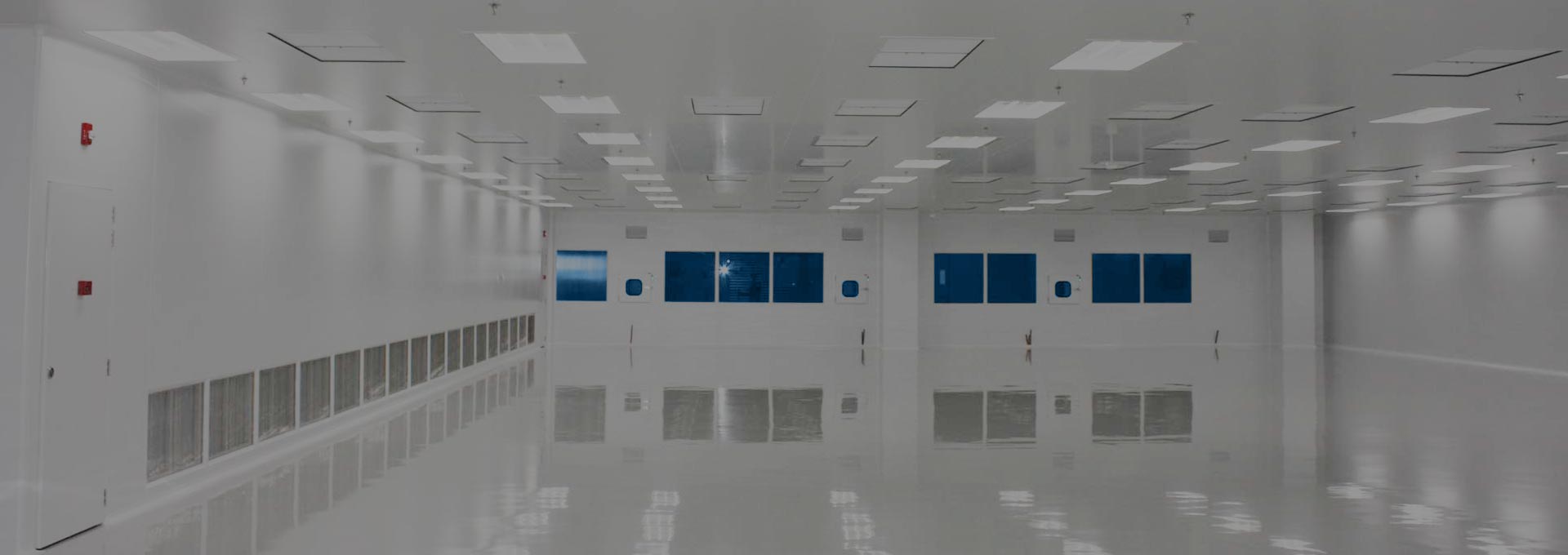
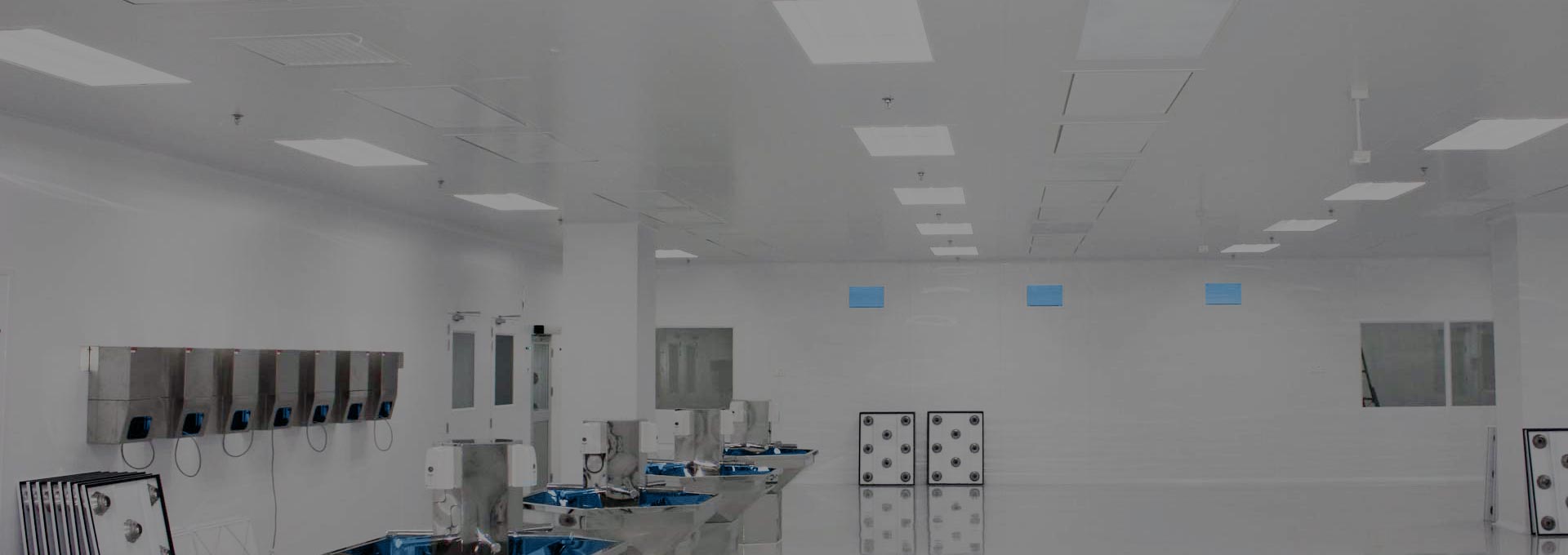
Technology makes a big difference in cleanroom energy efficiency, but companies can also act to maximize the performance of existing setups. Here are five tips to ensure your cleanroom is operating optimally.
1. Air Change Rates
Cleanroom airflow rates must maintain cleanliness, usually at specific particle counts. Airflow is measured by air change rates per hour, which determines building configuration, fan sizing and total energy costs. Where possible, rate reductions that still meet the standards required by the facility lower energy costs while meeting cleanliness parameters. For example, a 20 percent reduction of air changes yields a 50 percent reduction in fan size, reducing energy consumption.
Optimal air change rates vary by industry, but typical recommendations range from 250 to 700 for ISO Class 5 cleanrooms. Cleanliness is the priority of any cleanroom operation, but safe ACR reductions can yield significant energy efficiency improvements.
2. Motor Efficiency
Motors account for most of a cleanroom’s electricity consumption. Retrofits are expensive, but achieving even modest efficiency or sizing gains makes it worthwhile, since even a few percentage points of efficiency can be profitable.
Using premium motors, such as VSDs, doesn’t necessarily cost more. Companies should minimize the load before determining the size of a more efficient motor to optimize gains.
3. Dual Temperature Cooling Loops
Cooling system designs accommodate peak loads, regardless of how often that maximum is actually reached. The chilled water setting for the cooling loop is usually defined by the most extreme temperature requirements. This is often inefficient, because the excess cooling capacity adds no benefit but adds energy requirements to operation. On average, reducing the chilled water supply by one-degree Fahrenheit improves chiller efficiency by one percent.
4. Heat Recovery
Many facilities use energy to produce heat, and then use even more energy to dispose of waste heat. Recovering heat to preheat outside air and supply reheated air saves energy.
Reheat coils use waste heat from your facility’s air compressors or from chiller condenser used water. This saves chiller energy as well as boiler fuel. Heat exchangers accommodate energy transfer between media that can’t make direct contact.
5. Free Cooling
Economizer cooling, or “free cooling,” uses outside air or makes chilled water from the cooling towers during low temperature or low humidity. This reduces the load on the chillers. This is climate-dependent, but free cooling systems can improve energy efficiency by a factor of 10.
Keeping it touch with new technology and looking at the ROI helps you get past the sticker shock of retrofits, redesigns or initial construction costs. The only way to evaluate whether certain innovations are right for your facility’s cleanroom is to look at the total cost and savings over time. Typically, taking the long view shows that increasing efficiency now only improves your bottom line without compromising performance.