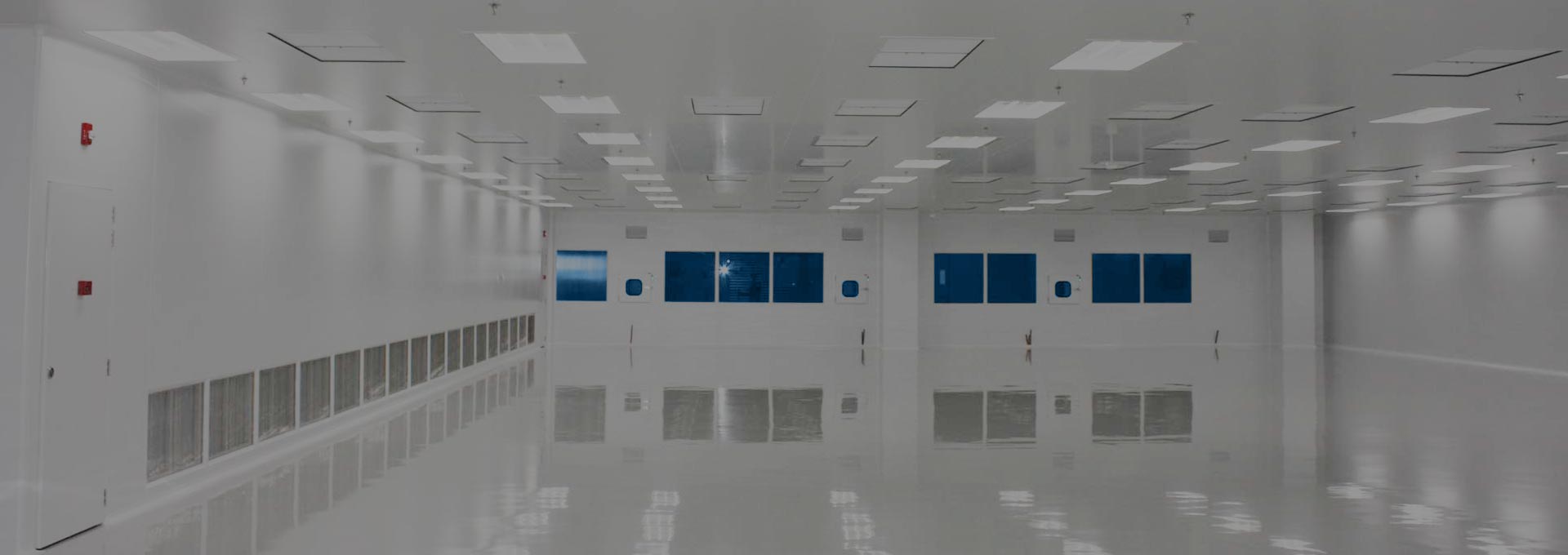
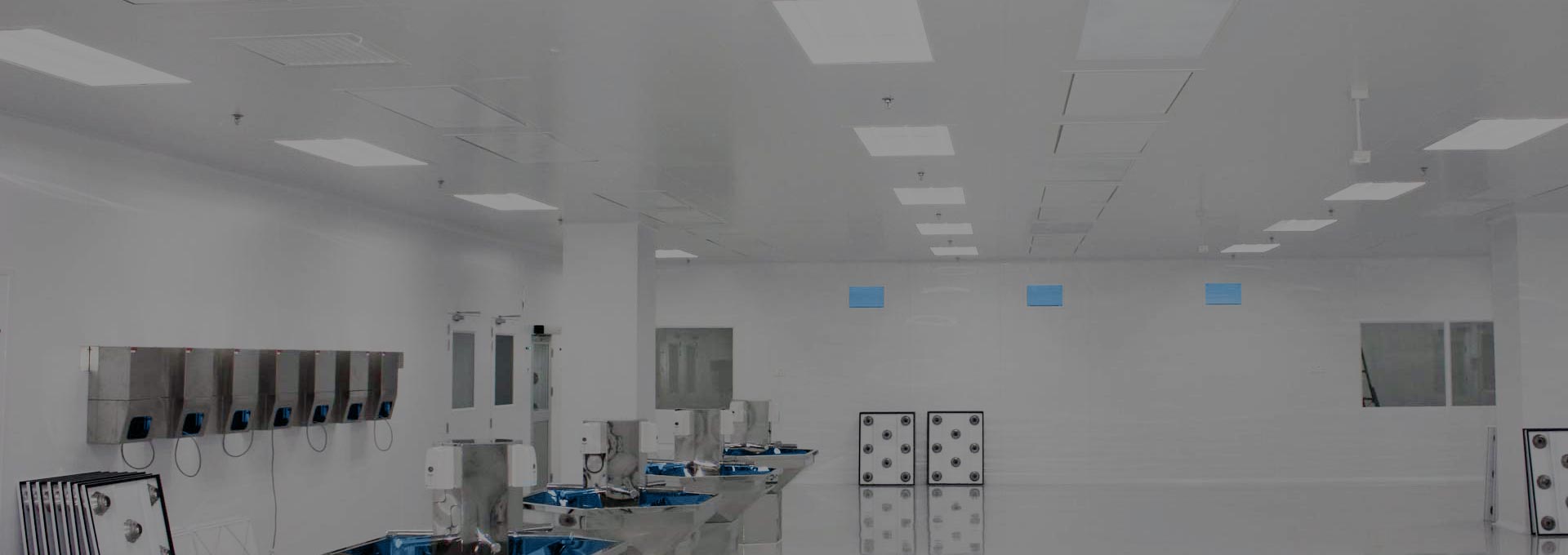
Cleanrooms are typically used in scientific research and manufacturing to provide a controlled environment for handling sensitive components and samples. Cleanrooms are constructed in a way to minimize particles from being introduced, generated or retained inside the room. Depending on the cleanroom classification and application, the gowning procedure may vary. However, the following sequence is basically the same.
The higher the level of cleanliness, the lower the particles inside the room. Cleanrooms are typically classified as ISO 5 or ISO 6. Click here to view Cleanroom Classification list.
The largest percent of contributors to contamination within a clean room are people. Even the cleanest of people are naturally contaminated. Our bodies are natural host to unwanted bacteria, along with the shedding of skin cells, hair and exhale of bio-organisms. A well designed gowning room and strict gowning procedure must be followed in order to maintain a cleanliness classification. We will be covering the procedures personnel should follow to get cleanroom ready and some of the Cleatech gowning equipment that supports the gowning protocol.
What Industries Require a Cleanroom?
Industries such as Pharmaceutical, Food, Microbiology, Semiconductor, Medical, and Manufacturing require personnel to follow a gowning procedure.
Best Practices for Cleanroom Gowning
Follow the following steps to control contamination when donning and removing cleanroom apparel.
Cleanroom Gowning Procedure Checklist
Do’s
- Use sterile gloves for cleanroom and aseptic processing
- Dry hands completely before gloves are donned
- Cover dominant hand first
- Use wall mount dispenser for easy access and less movement
Dont’s
- Never let clean surfaces contact dirty one.
- Never touch cleaned garment without washing your hands.
- Never allow garments to touch the floor.
- Never use powder gloves.
- Never Wear jewelry, fingernail polish or cosmetics.
- Never touch exposed skin with a gloved hand.
Top-Down Donning Sequence
- Start by washing your hands thoroughly.
- Take a few steps over a tacky mat to remove excess dirt.
- Don disposable booties (shoe cover). The cover should have laces.
- If required, put on donning gloves.
- Apply bouffant (beard covers for users with facial hair).
- You can now enter the gowning area.
- Remove hood from cleanroom bag, make sure to only touch the inside of the hood. It should completely cover your bouffant.
- Apply face mask. Adjust the nosepiece to fit your face.
- Remove coverall from cleanroom bag by holding the coverall inside the neck part.
- Don cleanroom booties.
- Don goggles or Shield.
- Put on cleanroom gloves, gloves should be rolled over coverall sleeves.
- Walk over a cleanroom tack mat to prevent contamination before entering the cleanroom area.
- That completes our gowning procedure. Following these steps, each and every time will help prevent contamination inside the cleanroom.