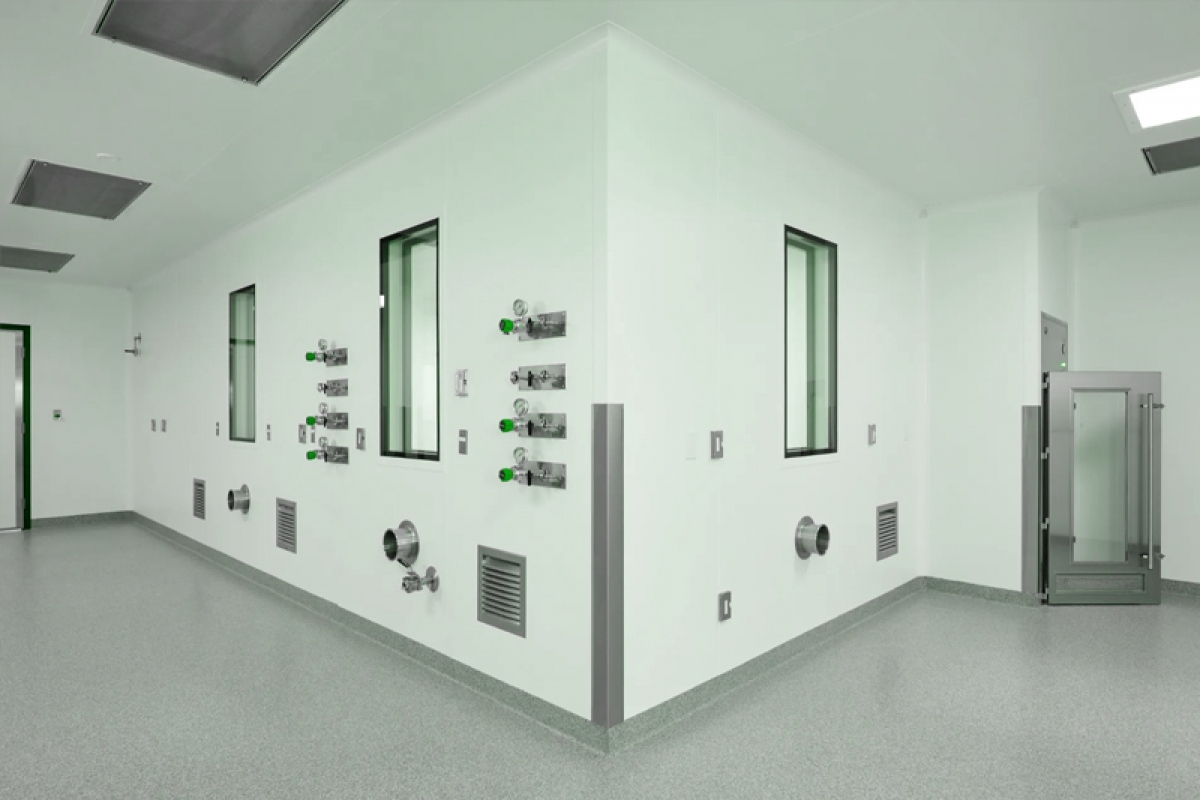
Cleanrooms are controlled environments essential for industries where even microscopic contaminants can compromise product quality and safety. These specialized spaces maintain extremely low levels of pollutants such as dust, airborne microbes, and chemical vapors. Today, we’ll dive into the role and effectiveness of cleanroom wall systems in maintaining critical environments for clean work.
Wall systems are a fundamental component of cleanroom design. These systems are not merely partitions; they are engineered barriers designed to meet stringent cleanliness standards. Understanding their function and available types is crucial for any organization that relies on contamination-free processes.
What Are Cleanroom Wall Systems?
Cleanroom wall systems are specialized panels and structures used to construct the enclosures of a cleanroom. Their primary purpose is to create a sealed environment that prevents the entry of external contaminants and facilitates the control of internal conditions. These systems are designed to be non-shedding, non-outgassing, and resistant to microbial growth.
The materials and design of these walls are critical to their performance. They must be durable enough to withstand regular cleaning protocols, including the use of harsh chemical agents, without degrading. The surfaces are intentionally smooth and non-porous to minimize the settling of particles and make cleaning more effective.
Types of Cleanroom Wall Systems
Several types of cleanroom wall systems are available, each offering distinct features suited for different applications and classifications. The selection depends on factors like the required cleanliness level, budget, and need for future flexibility.
Modular Cleanroom Wall Systems
Modular cleanroom wall systems are a popular choice due to their inherent versatility and ease of installation. These systems are designed with efficiency in mind, consisting of prefabricated panels that arrive ready for assembly. This allows those on-site to quickly put them together, reducing the overall construction time for a cleanroom facility. The pre-engineered components simplify the installation process compared to traditional construction methods.
Furthermore, their modular nature provides exceptional adaptability, allowing for straightforward expansion, reconfiguration of layouts, or even complete relocation of the cleanroom structure as the operational requirements and business needs evolve over time. This makes them a highly flexible solution for dynamic environments where you anticipate future changes or moves.
Rigid Wall Cleanroom Systems
Rigid wall cleanrooms provide a more permanent and durable solution. Constructed from hard panels made of materials like aluminum, steel, or fiberglass-reinforced plastic, they offer superior environmental control and stability. These systems are ideal for applications that require a high level of cleanliness and long-term reliability.
Softwall Cleanroom Systems
Softwall cleanrooms use flexible, transparent curtains, typically made of vinyl, instead of solid panels. They are a cost-effective and adaptable option for creating localized clean zones within a larger space. While they do not provide the same level of environmental control as rigid wall systems, they are suitable for less stringent cleanroom classifications.
Benefits of Cleanroom Wall Systems
Properly selected and installed cleanroom wall systems provide numerous benefits that contribute to operational success. These advantages go beyond simple contamination control and impact overall efficiency and compliance.
A key benefit is the ability to maintain consistent and predictable environmental conditions. The sealed, non-porous surfaces of these walls are integral to managing air pressure, temperature, and humidity, which are critical for many sensitive processes.
These systems also support regulatory compliance. Industries like pharmaceuticals and medical device manufacturing must adhere to strict standards, and a certified cleanroom wall system is a fundamental requirement for meeting these guidelines.
Furthermore, their durable and easy-to-clean surfaces reduce maintenance time and costs. The non-shedding materials prevent the walls from becoming a source of contamination themselves, ensuring the long-term integrity of the clean environment.
Applications Across Industries
Cleanroom wall systems are indispensable in a wide range of industries where product purity is paramount. Their application is diverse, supporting everything from scientific research to large-scale manufacturing.
In the pharmaceutical industry, they are used to create sterile environments for drug manufacturing and packaging, preventing contamination that could affect product safety and efficacy. Similarly, the medical device industry relies on them to produce sterile equipment.
The electronics and semiconductor industries require ultra-clean environments to prevent microscopic particles from damaging sensitive components during fabrication. Cleanroom walls help achieve the stringent ISO classifications necessary for these operations.
Aerospace and automotive sectors also utilize cleanrooms for manufacturing and assembling critical components where precision and reliability are non-negotiable.
Choosing the Right Cleanroom Wall System
Selecting the appropriate cleanroom wall system requires careful consideration of several factors. The most important factor is the required ISO cleanroom classification, as this will dictate the necessary performance level of the wall system.
The specific processes conducted within the cleanroom also influence the choice of materials. For example, if applications require harsh chemicals, the wall panels must be chemically resistant. The need for future flexibility is another consideration, with modular systems offering an advantage for growing or changing operations.
Budget is also a practical consideration, but don’t forget to balance budget considerations with the long-term operational costs and the critical need for contamination control. Investing in a higher-quality system can prevent costly product failures and compliance issues down the line.
Maintenance and Cleaning Protocols
Maintaining the integrity of a cleanroom wall system is essential for its continued effectiveness. Regular and thorough cleaning is a non-negotiable aspect of cleanroom operation.
Consider cleaning protocols based on the cleanroom’s classification and the specific contaminants of concern. These procedures typically involve using approved cleaning agents and non-shedding wipes or mops to clean all surfaces methodically.
Conduct routine inspections to check for any damage, such as scratches or cracks, that could compromise the surface’s integrity and harbor contaminants. Repair any identified issues promptly to maintain the cleanroom’s performance standards.