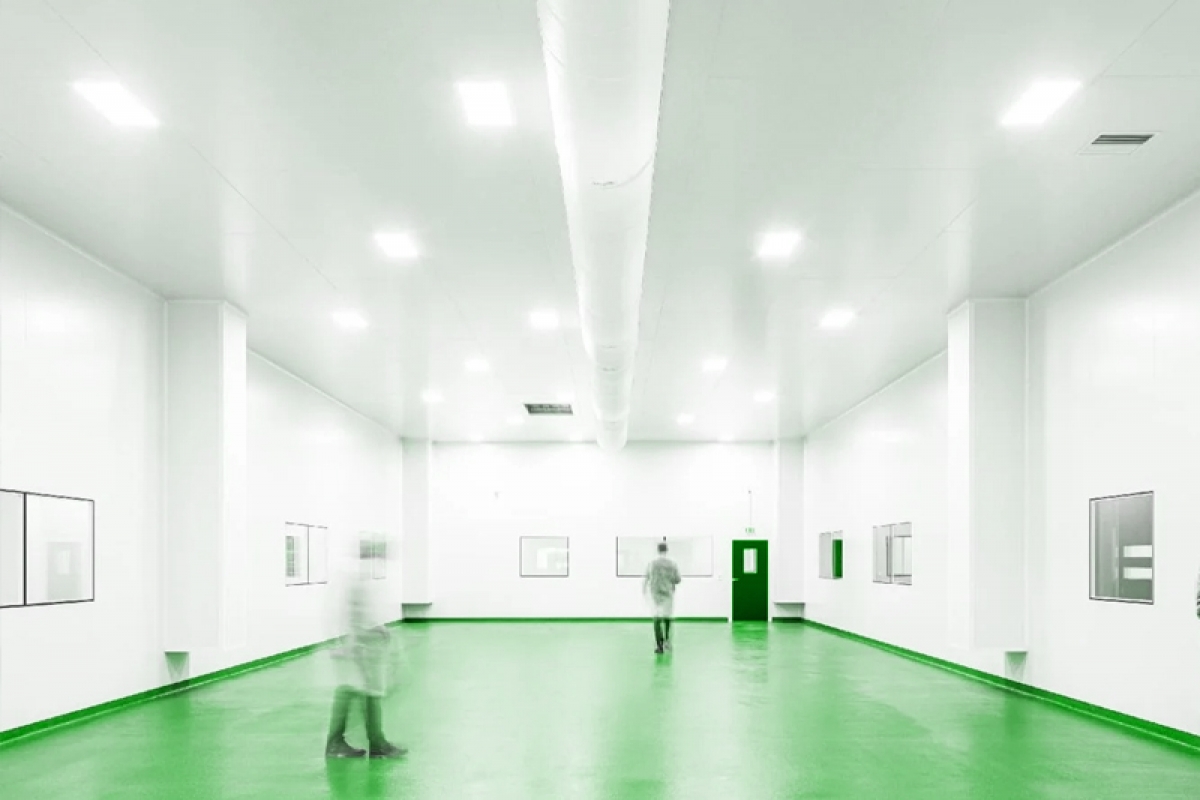
Cleanrooms are an integral component of drug development and manufacturing, and the industry’s varied scientific discovery pipeline is a testament to the fact that designing a cleanroom can’t rely on a one-size-fits-all approach but must be tailored to meet the product, patient, and supply needs while conforming to the constraints of the building and process requirements. Cleanrooms have to be designed and built to ensure that they readily meet operational and strategic supply objectives.
In many cases, a new cleanroom project represents the company’s largest capital expenditure; any design faults could create irreparable consequences for stakeholders — and patients. Adherence to timelines and budget is imperative for strategic success. To produce a fit-for-purpose and high-value cleanroom facility, meticulous and experienced planning is essential.
With multiple interconnected parameters to consider — from cleanroom classification to proper flows of personnel and materials — designing and building a cleanroom requires a proven multifaceted methodology. However, challenges associated with installing or expanding a cleanroom operation can still emerge; this is why working with subject matter experts like us can contribute invaluable insight to help overcome these hurdles and take your cleanroom vision from concept to reality.
Four key considerations for effective cleanroom design
Incorporating a fit-for-purpose cleanroom that effectively maintains an aseptic environment while ensuring manufacturing efficiency can be challenging, and several considerations need to be examined for project success. Conceptualizing cleanroom design is the first hurdle, and every element should be merged to form a cohesive cleanroom strategy, including:
- Product characteristics: Ensuring the cleanroom caters to the target product characteristics is essential to maintain high quality and stability. Facilities must be flexible enough to accommodate a change to process equipment or to the room conditions required to maintain ISO classification. For example, temperature and humidity control may need to be tightly controlled throughout manufacture and downstream processing for a highly sensitive biologic.
- Optimizing the floor plan: The square footage for a cleanroom installation may be limited based on various building constraints, so the design must be optimized to accommodate all required functionality within the given area.
- Operator requirements: Operators may have specific working preferences, so designing a cleanroom that meets these needs can empower them to carry out their day-to-day activities efficiently with no disruption. In addition, accounting for process requirements, such as placing sequential pieces of equipment next to each other, can help to speed up production.
- Regulatory requirements: Pharmaceutical production is highly regulated, and a cleanroom design must meet strict regulatory requirements. Good manufacturing practice guidelines also set rules for a cleanroom environment, such as air quality and control, to ensure a product is safe for patient use.
Harnessing a concept design methodology
An effective concept design methodology works by harnessing the expertise of specialized architects and engineers to identify key technical and strategic factors upfront and incorporate them into the design to produce an efficient and effective cleanroom. It also provides visibility and accountability for pharmaceutical manufacturers, so they have full oversight of the design to ensure it meets their needs.
For example, our program has been created by our expert team to provide a tailored approach. It combines fit, form and function to meet customer needs while proactively mitigating potential project risk that otherwise would add costs and delays to a project. This clear and detailed planning and production timeframe helps to ensure the cleanroom design and installation remains on time and on budget, which is imperative for strategic success.
Our cleanroom experts have regulatory knowledge and experience that can help drive timelines forward. The cleanroom design is built with these regulations in mind, ensuring any product within meets regulatory compliance objectives. Following such an effective, well-established approach combined with expert guidance can help ensure any project proceeds smoothly with minimal delay or unnecessary added expense.
The value of partnering with a specialized cleanroom expert
To create a fit-for-purpose and high-value cleanroom facility, following a strategic methodology is essential. In addition to providing a clear design plan, our approach provides process visibility, working to overcome potential challenges and mitigate risks.
Partnering with us can help take your cleanroom vision from concept to reality, harnessing a great design from the beginning of the process. Producing a cleanroom that is tailored to your unique processing requirements while adhering to stringent timelines ensures that life-changing products are delivered to patients at speed.
Contact us today to learn more about how we can help you create a multifaceted cleanroom design strategy.