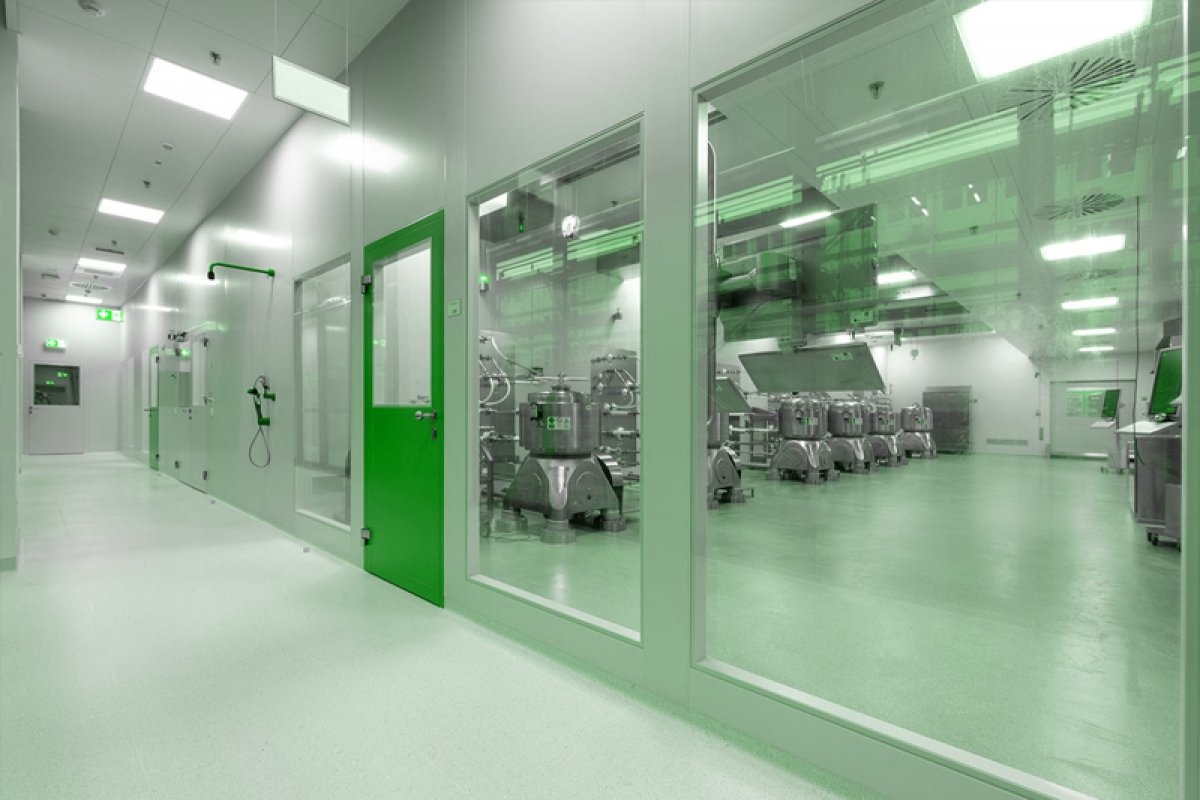
Understanding ISO 14644 Cleanroom Standards
ISO 14644 is the cornerstone for cleanroom standards, providing a comprehensive framework for the design, classification, and operation of cleanrooms. The International Standards Organisation uses the standard ISO 14644 to outline the approach for the design, classification, and operation of cleanrooms. This standard is crucial for industries where environmental contamination is a significant concern, such as semiconductor production and biotechnology.
GMP Guidelines for Cleanroom Design
Good Manufacturing Practice (GMP) guidelines are essential for ensuring that cleanrooms maintain the highest standards of cleanliness and control. These guidelines are meticulously controlled and managed to prevent contamination that could compromise product quality.
Comparing Cleanliness Levels: ISO vs. GMP
Cleanliness Levels at Rest
Cleanrooms are evaluated based on their cleanliness levels both “at rest” (unoccupied) and “in operation” (occupied with processes underway). This distinction is crucial for demonstrating the effectiveness of the cleanroom’s contamination control system (CCS). ISO 14644 and GMP guidelines both emphasise the importance of maintaining these cleanliness levels to ensure product quality and safety.
Cleanliness Levels in Operation
When cleanrooms are in operation, the dynamic nature of the environment requires rigorous monitoring and control processes. GMP guidelines,
particularly Annex 1, specify the need for continuous assessment to ensure that the cleanroom maintains its required cleanliness levels during active use. This involves regular sampling and testing to detect any deviations from the established standards.
Monitoring and Control Processes
Effective monitoring and control processes are essential for maintaining the required cleanliness levels in cleanrooms. These processes include:
- Regular air sampling to measure particulate levels
- Surface sampling to detect microbial contamination
- Continuous monitoring of environmental parameters such as temperature, humidity, and pressure
Both the clean-up period and recovery time are crucial for demonstrating the effectiveness of the CCS, but they serve different purposes and are measured separately.
The implementation of these processes ensures that cleanrooms remain compliant with both ISO and GMP standards, thereby safeguarding product integrity and patient safety.
Material and Surface Requirements in Cleanrooms
GMP Surface Material Standards
GMP mandates smooth, waterproof, easy-to-clean, and rigid internal surfaces to minimise the risk of contamination. This requirement ensures that cleanrooms can be effectively sanitised and that there are fewer crevices where contaminants can accumulate. All cleanroom surfaces should be smooth, impervious to microorganisms, and compatible with the approved cleaning agents and disinfectants.
ISO Material Requirements
ISO standards also emphasise the importance of non-porous and smooth surfaces. For instance, in ISO 6 (Class 1,000) and ISO 7 (Class 10,000) cleanrooms, walls, floors, and ceilings should be non-porous/smooth, and absolutely no linting fabric is permitted. Personnel in these environments typically wear beard covers, shoe covers, hair nets, and coveralls to maintain cleanliness.
Importance of Surface Quality
Surface quality is crucial in maintaining the integrity of cleanrooms. Surfaces should not generate their contamination, i.e., they should not create dust, peel, flake, corrode, or provide a place for microorganisms to proliferate. They should also be easy to clean, with all surfaces being easily accessible and free from ledges or recesses.
Ensuring high-quality surfaces in cleanrooms is essential for compliance and effective contamination control.
Technological Advances in Cleanroom Compliance
Role of cGMP in Modern Cleanrooms
Current Good Manufacturing Practices (cGMP) play a pivotal role in modern cleanrooms by ensuring that products are consistently produced and controlled according to quality standards. Adhering to cGMP guidelines helps in maintaining the integrity and performance of cleanrooms, which is crucial for industries such as pharmaceuticals and biotechnology.
Innovative Technologies
Several innovative technologies are now being employed to enhance cleanroom compliance:
- Particle counters: Used to measure and monitor particulate levels in the cleanroom environment.
- Photometers: Essential for filter testing to ensure air quality.
- Anemometers: Measure airflow to maintain proper ventilation.
- Various sensors: Monitor critical parameters like temperature, humidity, and pressure differentials.
Future Trends in Cleanroom Standards
The future of cleanroom standards is being shaped by technological advancements such as the Internet of Things (IoT). IoT technology can optimise the use of resources in cleanrooms, such as electricity and water, by monitoring consumption patterns and adjusting operations accordingly. This not only enhances operational efficiency but also contributes to sustainability efforts.
By systematically validating the cleanroom’s performance, companies can minimise the risk of product contamination, meet regulatory requirements, and protect consumer health, thereby maintaining trust and integrity in the pharmaceutical industry.
Regulatory Bodies and Their Standards
International Organisation for Standardisation (ISO)
The International Organisation for Standardisation (ISO) is a key player in setting global cleanroom standards. ISO 14644-1 is the most often used cleanroom standard and is also used by non-FDA regulated bodies such as the semiconductor industry, hospitals, and aerospace. These standards ensure that cleanrooms meet specific requirements regarding particle sizes and counts, as well as testing frequency.
Good Manufacturing Practice (GMP)
Good Manufacturing Practice (GMP) guidelines are essential for industries like pharmaceuticals and food production. GMP focuses on ensuring product quality and safety by setting minimum standards for cleanroom design and operation. Compliance with GMP is crucial for maintaining product integrity and safety.
FDA and Other Regulatory Agencies
In addition to ISO and GMP, cleanrooms may also need to comply with standards set by the FDA and other regulatory agencies. These bodies ensure adherence to regulatory requirements, industry standards, and guidelines. Compliance with these standards contributes to improved operational efficiency, optimised workflows, and enhanced productivity, which are crucial for maintaining a competitive advantage in industries such as pharmaceuticals, biotechnology, and medical devices.
Depending on the manufacturer’s choice, clean rooms are regulated by government agencies, International Organisation for Standardisation, or industry standards, and they have to meet ISO 14644, GMP, and FDA standards.
Conclusion
In conclusion, understanding the differences between ISO and GMP cleanroom standards is crucial for ensuring optimal performance and compliance in controlled environments. While ISO 14644 provides a comprehensive framework for cleanroom classification and maintenance, GMP guidelines emphasise the importance of stringent control measures to prevent contamination and ensure product quality. The dynamic nature of cleanroom environments, as highlighted by the distinction between ‘at rest’ and ‘in operation’ states, underscores the need for rigorous monitoring and control processes. Additionally, the specific requirements for surface materials, door design, and cleanliness levels further illustrate the meticulous attention to detail necessary for maintaining a compliant cleanroom. By adhering to these standards, manufacturers can achieve the highest levels of cleanliness and safety, ultimately protecting both products and consumers.