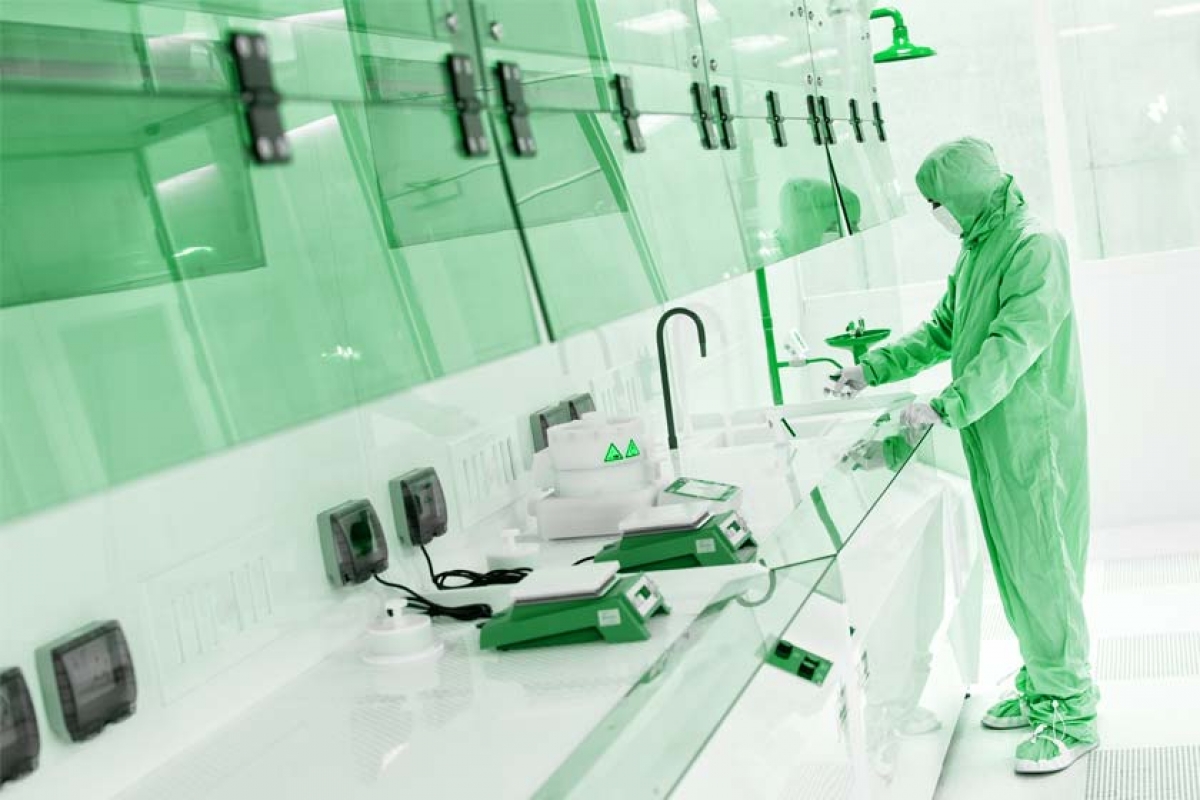
This standard allows for the chambers to be categorized by restricting particulate count which range from ISO 8 (Class 100,000) down to ISO 3 (Class 1). This classification governs the particulates permitted to infiltrate the atmosphere.
What are some different the types of cleanrooms?
- Stick: Custom fabricated and integrated place from the sub-contractor, these labs may take on any shape, and be sensitive and flexible to any present conditions.
- Modular: Panels are then assembled together in the field by trained professionals typically from the manufacturer. There are third party companies like Clean Air Solutions who provide this support also.
- Hybrid: These are constructed as a combination of the two aforementioned procedures.
Based on cleanroom objectives, space design and design can vary. However, most cleanrooms have comparable different design features for successful performance, including:
Among the first spaces encountered when entering a cleanroom is the gowning room. This distance (typically of higher classification) enables an employee to change to the right attire for the clean procedure inside.
- Air locks are very similar to ante rooms and are intended for individuals or equipment.
- Pass-through rooms are used for samples moving from one area to another of different classifications. These can be larger for wheeled equipment also.
- Windows are designed in cleanrooms for a couple reasons, a frequent reason being safety. It's important to make sure that the people working within a cleanroom are secure. Windows are comprehensive to be flush glazed to prevent any horizontal surfaces that may create an excess cleaning burden.
Cleanrooms for the pharmaceutical sector have a higher cost per square foot, largely because of the use of 316 Stainless Steel for corrosion resistance among other factors. Both methods have a tendency to corrode some metals, making stainless steel a necessity.
Cleanrooms require specialized materials and systems that push up the construction cost, including:
- Cleanroom flooring is often defined as poured in place epoxy or urethane or sheet vinyl with heat-welded seams. These kinds of flooring allow for a constant floor program using an integral cove base. A less costly solution is epoxy paint.
- CPVC (Chlorinated Polyvinyl Chloride) is a sort of plastic panel utilized inside cleanrooms on the walls and ceiling which enables corrosion and chemical resistance.
- Cleanroom ceilings are generally constructed of gypsum wall board or a cleanroom-rated ceiling grid and tile system. These tiles are occasionally made from vinyl-faced gypsum wall board, making them thicker than normal ceiling tiles and need hold-down clips to avoid the exfiltration of air.
- Cleanroom lighting typically includes lensed and sealed fittings. These specialized fixtures are made for wash-down processes and to protect against the exfiltration of air.
- Fan Powered HEPA Filters (high-efficiency particulate arresting) filter are high performance filters utilized to decrease the particulate count in the atmosphere. These filters are subject to technical cleaning and changing, sometimes known as "bag-in, bag-out." This may be done within the cleanroom, remotely above or in the air handling unit.
- Cleanroom furniture is typically made from stainless steel and/or higher grade plastics.
Taken together, all these features contributes to the rising expense of designing and building a cleanroom. Working with a skilled cleanroom laboratory designer can help a company determine its design priorities and handle the costs of constructing a cleanroom accordingly.